The Indian Web Does Not Fit in One Search Box, and U.S. Searchers Feel It
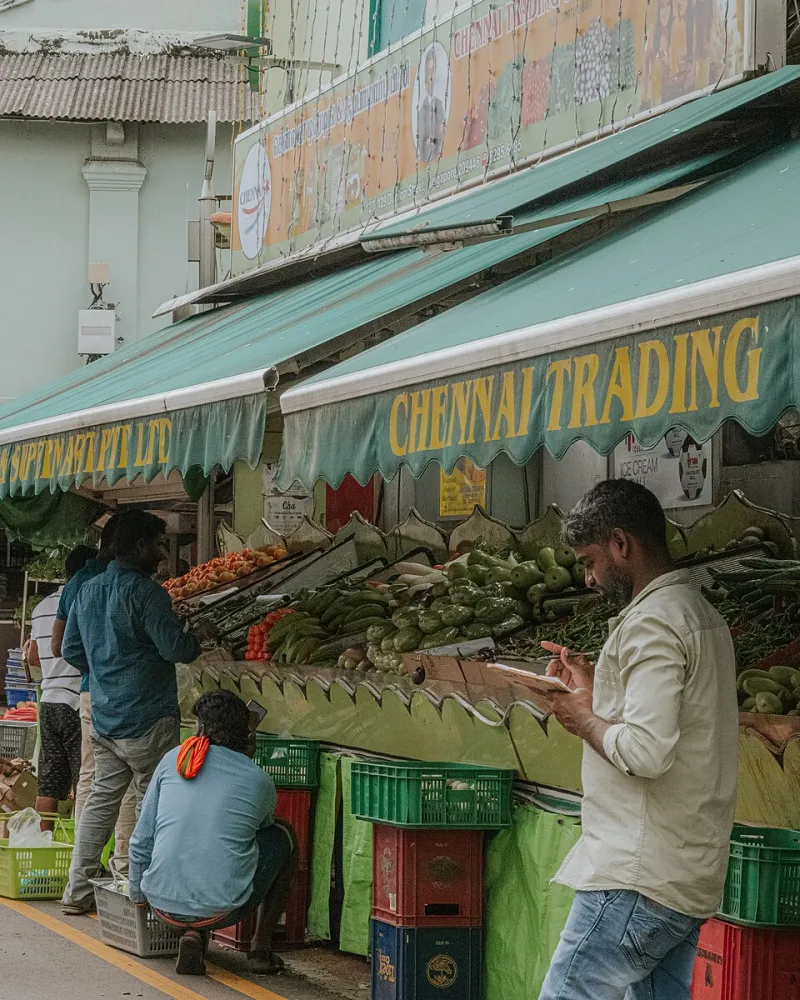
Photo: Geleparaplu, CC BY-SA 4.0, via Wikimedia Commons
If you search for Indian news from the United States, the results can feel strangely narrow. A few English-language headlines about markets, cricket, Bollywood, and national politics. Maybe a wire story. But the Indian web is much bigger than that. It includes Tamil Nadu district news, Telugu film updates, Bengali community events, Malayalam health information, Marathi local politics, Gujarati business coverage, and Punjabi radio. In 2026, U.S. users need search that understands that.
The flattening problem
Mainstream search engines are built for scale. They reward pages that are easy to crawl, well-linked, and in high-demand languages. That often means English-language national outlets and SEO-driven aggregators rise to the top. Regional-language reporting can be harder to find, even when it is more accurate or more local. A story about a Tamil Nadu election, a Telugu temple festival, or a Bengali cultural event may exist online but not surface in a generic U.S. search.
There is also a context problem. Indian content is not one thing. Language, region, religion, caste, and community all shape the story. A search result that strips those details can be technically correct and still misleading. U.S. users often need the local version, not the national summary.
Why U.S. users need more than headlines
The U.S. Indian diaspora is not a monolith. It includes students, tech workers, doctors, small business owners, families, and recent immigrants. Their search needs are practical. They want to know what is happening back home, but they also want local services: an Indian grocery that stocks a specific brand, a temple with a Tamil-speaking priest, a Hindi-speaking lawyer, a Telugu association event, or a Diwali celebration in their city.
Generic search can find some of that. But it often misses the community layer. The best information may sit on a Facebook group, a WhatsApp forward, a regional news site, or a small business page that does not rank well. That is why discovery needs to be more India-aware, not less.
What a more India-aware search experience should look like
It should start with language and place. A good interface would let users filter by language, script, state, or metro area without making it complicated. It should show the original-language source next to a translation, not replace it. It should label freshness clearly: published today, updated yesterday, or from an earlier year. It should separate news from opinion, press releases, and sponsored content.
It should also treat local services as first-class results. If someone searches for an Indian grocery in Dallas or a Hindi-speaking dentist in New Jersey, the results should include verified local listings, not just national directories. Reviews should be recent. Hours should be confirmed. Contact details should be easy to check.
A portal like MySearchIndia fits here because it is built around Indian discovery, not generic web search. Local listings, news snippets, and practical tools can give U.S. users a starting point that is already tilted toward Indian content. The next step is verification: open the source, check the date, and confirm the local details.
Practical checks for better Indian search
You do not need a special degree to search smarter. Use a few checks:
- Search in the right language. If you want Tamil news, try a Tamil query or a Tamil news site. If you want Telugu updates, search in Telugu script. Translation tools can help you build the query.
- Check the source and date. Open the article. Look for a byline, a publication date, and an original publisher. A summary without a date is a warning sign.
- Compare local and national coverage. A national outlet may cover the headline. A regional outlet may explain the local context.
- Verify local services. Search the business name plus the city, then check the official site, map listing, and recent reviews. For professional services, confirm licensing or registration where relevant.
- Look for community organizers. University Indian student associations, cultural centers, temples, and regional associations often post events before they appear in search results.
- Treat AI summaries as a starting point. They can help you find a direction, but they can also miss language nuance or local detail. Open the original source.
The opportunity is bigger than one search box
A better Indian search experience is not just a niche convenience. It helps U.S. users stay connected to home, find trusted local services, and understand community context. It helps Indian publishers and small businesses get discovered. And it makes search feel less like a firehose of headlines and more like a useful map.
The Indian web is not hiding. It is just written in many languages, published in many places, and shaped by local context. In 2026, U.S. users deserve search tools that see that whole picture.