Search Your Way to Indian Life in Any U.S. City: A 2026 Field Guide
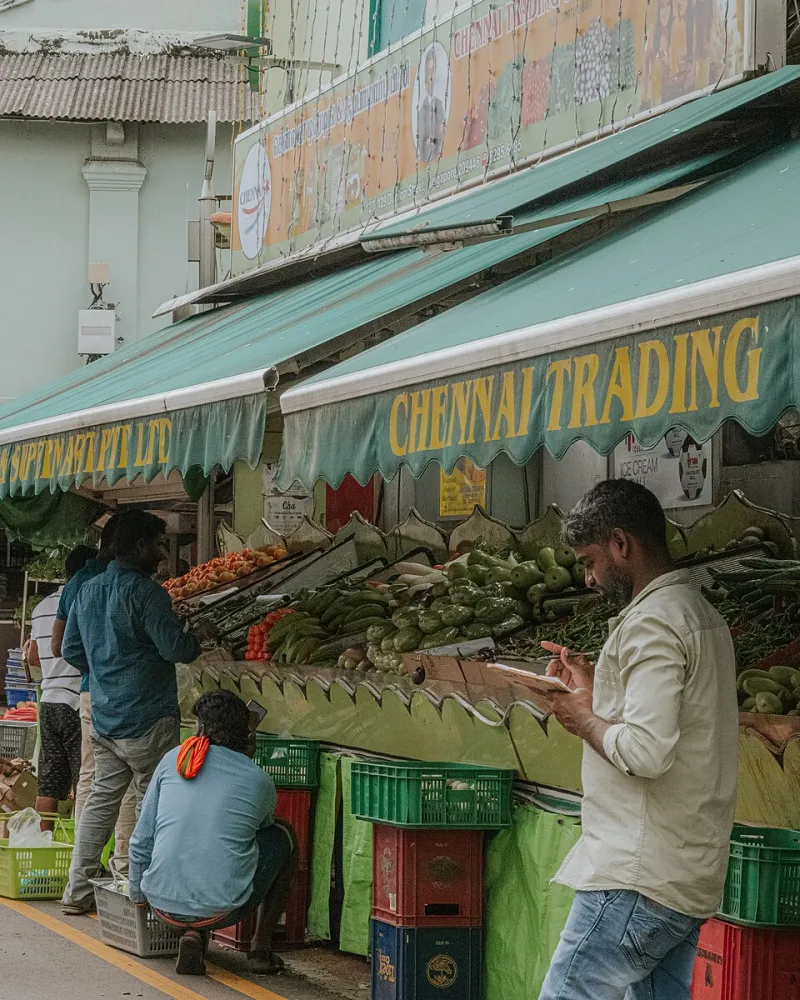
Photo: Pockethealer, CC BY-SA 4.0, via Wikimedia Commons
Moving to a new U.S. city is a lot easier when you can find the places that feel familiar. But searching for Indian life in America can be oddly frustrating. You type 'Indian food near me' and get a handful of fusion restaurants. You search 'Indian grocery' and get a store that closed two years ago. Meanwhile, a Patel Brothers, a Hindu temple with a Saturday class, a Telugu association picnic, and a Diwali celebration at the local fairground are all within 20 minutes of your apartment.
The problem is not that the information is missing. It is that generic searches do not know what you mean by 'Indian,' and they do not always reward fresh, local, specific results. In 2026, the fix is a search routine, not a single magic query.
Start with intent, not a broad label
'Indian' is a huge category. It can mean groceries, sweets, a temple, a regional language class, a doctor who speaks Hindi, or a Diwali event. Start by naming the thing you need, then add the place and a signal word.
Try query blocks like:
- Patel Brothers [city]
- Indian grocery [ZIP code]
- South Indian restaurant [neighborhood]
- Hindu temple [city] schedule
- Diwali [city] 2026
- Telugu association [city]
- Hindi speaking dentist [city]
Use quotes around exact phrases when you need them: 'Diwali 2026' [city]. Use a minus sign to filter noise: Indian restaurant [city] -fusion. Add site:instagram.com or site:facebook.com when you want event posts and community updates. For temples, search the temple name plus 'calendar' or 'events.' For regional communities, search the language or state name plus 'association' and the city.
Build better local queries
The phrase 'near me' is convenient, but it depends on your phone's location and can hide results just outside your immediate radius. If you are willing to drive 25 minutes for good groceries, search by city, suburb, or ZIP code instead.
Try related terms that real people use: desi grocery, Indian superstore, halal meat market, South Indian tiffin, chaat, mithai, Indian bakery. For services, search 'Indian [service] [city]' and then verify. Examples include Indian accountant, Hindi-speaking realtor, Indian pediatrician, and Tamil church or temple. If you are looking for a specific brand or chain, search the brand plus the metro area, such as 'Patel Brothers Chicago suburbs' or 'Patel Brothers Houston.'
Maps are their own search tool. Open Google Maps or Apple Maps and search 'Indian grocery' over a specific neighborhood, not just your current location. Zoom out. Look at clusters. Indian businesses often gather near temples, university corridors, and older suburban shopping centers. In Chicago, that might mean Devon Avenue or the western suburbs. In Houston, Hillcroft. In New Jersey, Edison and Jersey City. In Los Angeles, Artesia. In the Bay Area, Fremont. Once you find a cluster, search within it for restaurants, sweets shops, and services.
Verify before you go
Listings get stale. Hours change. A restaurant may be closed for a private event. A temple may have a different schedule during a festival. Before you drive, check three things:
- The official website or Google Business Profile for hours and phone number.
- Recent reviews from the last two or three months.
- The organizer's social page for last-minute changes.
For events, find the venue page and the organizer's page. A blog post from an earlier year can rank well and still be wrong. Add '2026' to the query and check the date on the page. If a Diwali event listing does not name a venue, a date, and a ticket or RSVP link, treat it as unconfirmed.
For groceries, call ahead if you need something specific, such as fresh curry leaves, a particular brand of atta, or festival sweets. For temples, check dress codes and whether visitors should remove shoes. For restaurants, look at recent photos and menu updates. Cross-check at least two sources: the map listing plus the business's own site or social feed.
Read map and review signals like a local
Reviews are useful, but read them for patterns. Do multiple people mention fresh produce, helpful staff, parking, or a specific regional cuisine? Do owner responses sound current? A single angry review is not a verdict. A pattern of 'closed on Sundays despite listed hours' is a signal.
Map signals can also help you plan. Popular times can show you when a grocery store is packed. Saved lists let you build a shortlist. Street view can tell you whether parking is realistic. If you are searching for a temple or community center, look at photos of the entrance and parking lot so arrival is less stressful.
Turn it into a repeatable routine
The real win is not one good search. It is a routine you can repeat every month. Set a 10-minute weekly check:
- Search 'Diwali [city] 2026' and '[city] Indian events this weekend.'
- Check your temple's calendar once a month.
- Follow three local Indian community organizations or university groups.
- Save grocery stores and restaurants to a map list.
- Re-verify hours before a holiday or festival.
A portal like MySearchIndia can be the starting point. Use it to browse local listings, scan news snippets, and jump into practical search tools. Then verify the final details with the business, venue, or organizer. That combination, India-aware discovery plus old-fashioned confirmation, is how you find Indian life in any U.S. city without wading through generic results.