The Dish-Name Detective: Hunting Real Chettinad, Bihari, and Goan Food Across the U.S.
There is a chicken tikka masala within a mile of almost anywhere in America. Finding litti chokha on a Tuesday, a Goan xacuti that tastes like vinegar and toasted coconut instead of cream, or a Chettinad pepper chicken that actually brings the pepper — that is a different sport entirely. And your search engine is not on your side.
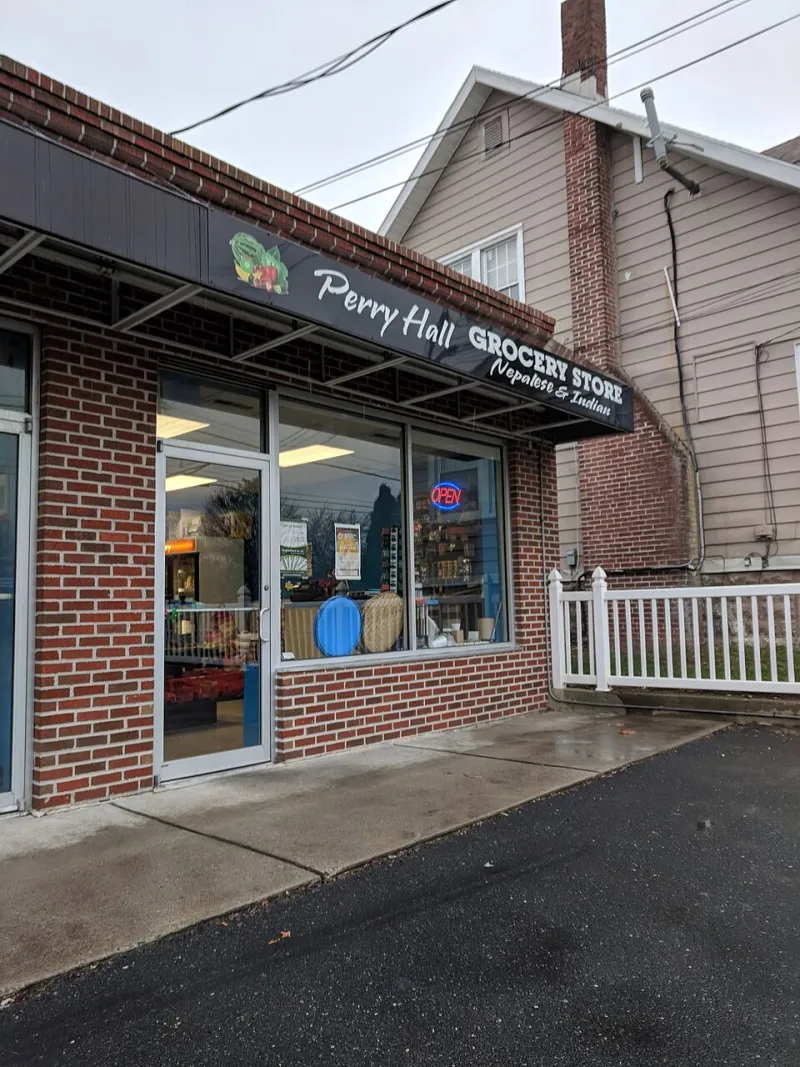
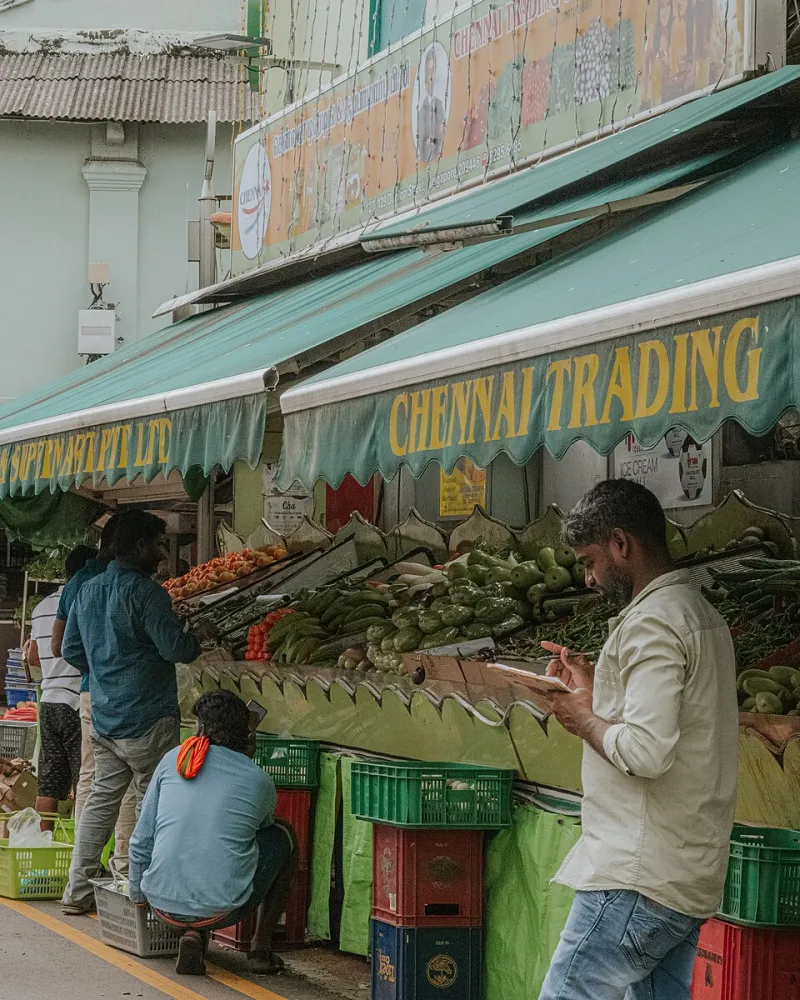
Regional Indian cooking in the U.S. tends to live in small rooms: a counter inside a grocery store, a weekend-only kitchen behind a temple, a family operation that never bought a website. These places do not rank well, because ranking well is a marketing job and they are busy cooking.
The Blunt Instrument Problem
Type 'Indian restaurant near me' and you get distance-sorted results whose menus are roughly 90 percent Punjabi-Mughlai with a 'South Indian' section bolted on at the bottom. That food is fine. It is just not what you asked for. The word 'Indian' on a menu in the U.S. is a category label, not a description of a kitchen's range.
So stop searching for a cuisine and start searching for a dish.
Query the Dish, Not the Country
Put the dish name in quotes and pair it with your city or suburb: 'Chettinad chicken' Plano. 'Litti chokha' Jersey City. 'Goan fish curry' Somerville. The quotes force an exact match instead of letting the engine drift toward whatever it thinks you meant.
Second trick: drop the word restaurant. Searching 'Chettinad' alone, or 'Assamese kitchen,' surfaces grocery stalls, home cooks, and pop-ups that never appear in a restaurant directory. Third: search by the regional food word rather than the dish. Kerala sadya. Telangana biryani. Kashmiri wazwan. Bengali thali. Bihari thali. These phrases are how the community itself labels the food, and they appear in photo captions and Facebook posts long before they appear on a menu site.
Transliteration Is Half the Search
Every regional dish has at least three spellings in English, and the search engine treats them as unrelated. Chettinad and Chettinaad. Xacuti, shakuti, chacuti. Sorpotel and sarapatel. Pesarattu and pesara. Varan bhaat and varan-bhat. If one spelling returns a wall of nothing, try the other before concluding your city is a desert.
A useful habit: when you find one restaurant serving the dish, scan its reviews for how customers spell it, then run that spelling as a fresh query. You will often unlock two more places.
The Real Menu Is the Photo, Not the Text
Restaurant websites lie by omission. The photos tab on a map listing does not. Open it and look for the printed menu board on the wall — the laminated sheet, the handwritten specials card taped by the register, the counter sign with prices in one column.
Clues worth zooming in on:
- Dish names printed in a regional script next to the English.
- A short menu. Twenty items usually means someone cooks this food every day; one hundred and eighty items means a freezer and a broad prayer.
- A separate 'specials' board with a date or weekday on it.
- Thali photos on steel plates rather than the same stock butter chicken shot used by three other restaurants.
If you are on a phone, screenshot the menu photo and use a visual search tool to read the fine print. It works better than you would expect on a blurry photo of a wall.
Triangulate: Reviews, Dates, and the Map Itself
Reviews are the second half of the menu. Sort by newest and read only the ones that name a specific dish. A reviewer who writes 'the chettinad pepper chicken was dry and the appam was cold' has told you more than two hundred five-star 'great food!' entries combined.
Use your browser's find-in-page on a long review thread and type the dish name. You will skip straight to the people who ordered what you want.
Then check freshness. Look at the date of the most recent review. A listing whose newest review is fourteen months old may be closed, sold, or quietly rebranded. Cross-check the posted hours against a phone call before you drive. And check the photos' upload dates — a menu photo from 2019 is a historical document, not a promise.
Go Where the Community Already Talks
Some of the best regional kitchens in any U.S. metro have no discoverable web presence at all. They are known entirely through word of mouth in a Facebook group, a WhatsApp thread, a temple notice board, or the corkboard by the register at the Indian grocery.
Search inside the platforms instead of beside them. Query patterns like site:facebook.com 'Telugu' 'catering' plus your city, or browse local subreddits and search the food threads. Ask in the group directly: 'Who makes real Bihari food here?' You will get three answers in an hour, two of them from a home cook who takes weekend orders.
Red Flags That a Regional Claim Is a Stretch
- A menu that spans seven regions and 180 items, all identically priced.
- A 'Chettinad' section with nothing pepper-forward or tamarind-forward on it.
- 'Goan' offerings with no xacuti, sorpotel, or fish curry rice.
- 'Bihari' without litti, chokha, or sattu anywhere on the page.
- 'Assamese' without tenga, khar, or a fish dish.
- No physical address — only a delivery-app link.
- Reviews that mention the buffet and nothing else.
None of these is disqualifying on its own. Stack three of them together and lower your expectations accordingly.
A Five-Minute Routine
- Search the quoted dish name plus your city.
- Repeat with the alternate transliteration.
- Open the photos and find the printed menu.
- Sort reviews by newest and search them for the dish.
- Check the most recent review date and the listed hours.
- Call and ask, plainly, 'Do you have ___ today?' Many regional dishes are weekend-only — a restaurant that 'doesn't have it' on Wednesday may be the right answer on Sunday.
- Write it down.
Build Your Own Index
The listings on MySearchIndia are a sensible starting point, not a verdict. The genuinely useful regional food map of your city is the one you assemble yourself — a note on your phone with eight entries, each tagged with the dish, the day it is best, and whether the last visit was any good.
That list beats every algorithm, and it gets sharper every time you get hungry.