Search Like a Local: Seven Query Habits That Find Indian Life Across the U.S.
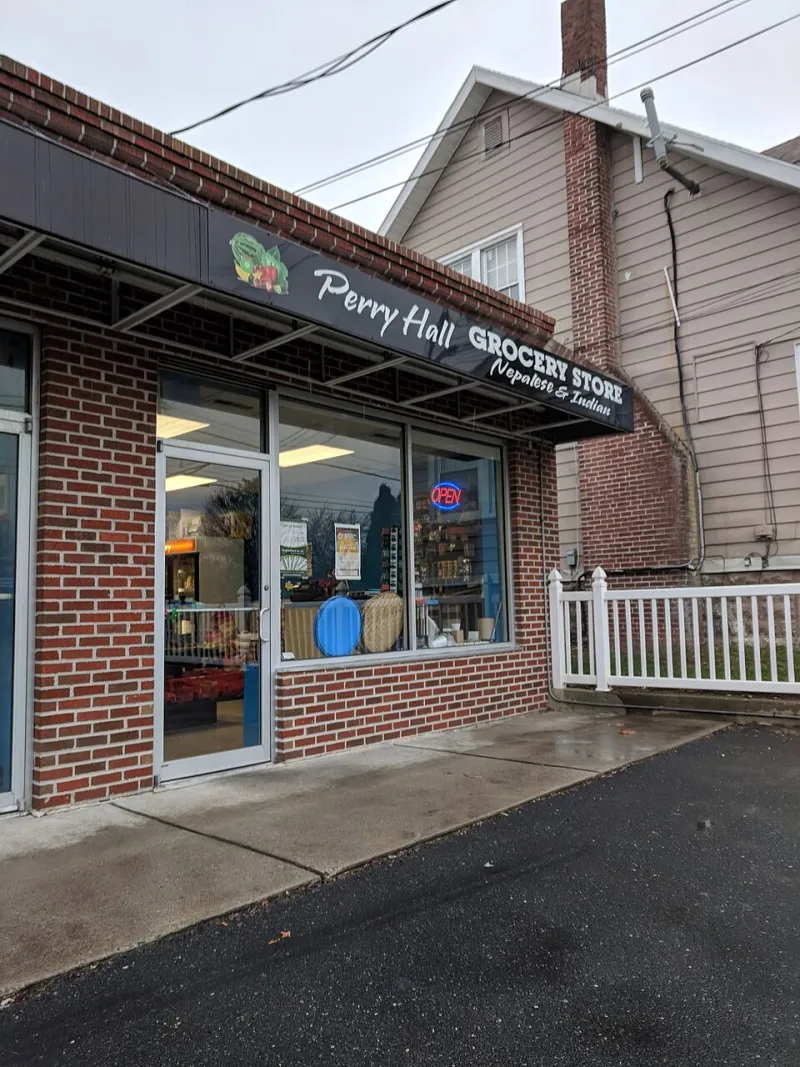
Photo: Bohemian Baltimore, CC BY-SA 4.0, via Wikimedia Commons
Type 'Indian grocery near me' into a general search engine and you will get a map full of possibilities. You will also get ads, chain stores, and a few results that are technically Indian but not what you meant. The problem is not the search engine. The problem is the query. Indian life in the U.S. is specific: a particular temple schedule, a Gujarati-speaking notary, a Tamil church, a store that carries fresh curry leaves on Fridays. Broad phrases flatten all of that.
The fix is to search like someone who already knows the neighborhood. These seven query habits are repeatable, and they work whether you are in Edison, New Jersey, or Fremont, California. Think of them as a compass, not a single map.
1. Search the object, not the category
'Indian grocery' is a category. 'Fresh curry leaves' is an object. The second query tells a search engine exactly what shelf you need. Try 'atta,' 'paneer,' 'frozen paratha,' 'bhel puri mix,' or 'kadhi leaves.' In Houston, searching 'fresh curry leaves Hillcroft' is far more useful than 'Indian store Houston.' In Jersey City, 'paneer Journal Square' cuts through the noise. In the Bay Area, 'Indian sweets Fremont' gets you closer than 'dessert near me.'
This habit works because small Indian groceries often do not rank well for broad terms. They rank for the products people type into maps at 6 p.m. on a weeknight.
2. Spell it two or three ways
Transliteration is a search problem. One temple is a 'mandir'; another is a 'mandhir.' You will see 'puja' and 'pooja,' 'bhel' and 'bhelpuri,' 'Gujarati' and 'Gujarathi.' Try the spelling you grew up with, then try the one a local listing might use. 'Shirdi Sai temple' and 'Sai Baba mandir' can return different results in the same city. Add the city name and watch the list change.
Do not assume the first spelling is the only one. A two-minute spelling detour often saves a twenty-minute drive.
3. Use the language people use at home
Regional terms are powerful. 'Kirana store' is not the same query as 'Indian grocery.' 'Provision store' may surface a different set of shops. 'Tamil Sangam,' 'Telugu association,' 'Malayalee church,' 'Gurudwara,' and 'Marathi mandal' are community terms, not just keywords. If you are looking for a Telugu grocery in Frisco, Texas, search 'Telugu grocery Frisco.' If you need a Marathi group in the Bay Area, search 'Marathi mandal Bay Area.'
The results will be smaller, but they will be closer to the community you are trying to reach.
4. Put the neighborhood first
Search engines understand place, but they respond better when you lead with the place. 'Devon Avenue Indian grocery' is a stronger query than 'Chicago Indian grocery.' 'Hillcroft Indian restaurant Houston' beats 'Indian food near me.' Try 'Journal Square Indian grocery Jersey City,' 'Artesia Indian sweets,' 'Cary Indian grocery,' or 'Edison Indian chaat.'
Neighborhood names carry context. Devon Avenue in Chicago, Hillcroft in Houston, Journal Square in Jersey City, and Fremont's Warm Springs district each have their own ecosystem of shops, temples, and services. Name the ecosystem and the search gets specific.
5. Filter reviews by language and recency
For doctors, dentists, salons, and tax preparers, the business name is only half the search. Add the language: 'Hindi speaking dentist Chicago,' 'Tamil doctor Fremont,' 'Gujarati tax preparer Edison.' Then open the reviews. Look for recent comments that mention language, wait times, and insurance. A listing can be five years old and still rank well; recent reviews tell you whether it is still useful.
On map and review sites, use 'Open now,' '4.0 and up,' and review-sorting filters. Search the review text for words like 'Hindi,' 'Tamil,' 'Telugu,' 'Urdu,' or 'Punjabi.' That is often faster than clicking through ten websites.
6. Go directory-first for services
Some things are poorly served by general search: temple timings, community halls, language schools, cultural associations, and weekend classes. That is when an India-focused directory or community portal earns its place. Search 'Telugu community directory Dallas' or 'Indian doctors directory New Jersey' and compare the listings against the organization's own website.
A specialized portal is not automatically better. It is better when it indexes the categories you need and when the listings are current. Use it as a first pass, then verify the phone number and address directly. General search is fine for chain stores and quick hours. Directory-first search is better for community infrastructure.
7. Ask for the job, not the label
'Indian lawyer' is a label. 'Notary Gujarati Edison' is a job. 'Immigration lawyer Hindi Chicago' is a job. 'Priest satyanarayan puja Houston' is a job. 'Indian pediatrician Tamil Fremont' is a job. When you search the task plus the language plus the place, you stop asking the engine to guess what you mean.
This is especially useful for ceremonies, document preparation, tutoring, and home services. The person who can do the job may not describe themselves with the broad label you first typed.
When the general engine is enough
General search is still the right tool for hours, phone numbers, directions, and big retailers. Use it when the answer is a fact. Use the seven habits when the answer is a fit: the right temple, the right doctor, the right grocery, the right community. The query is not the destination. It is the map you draw to get there.