A Calmer India News Feed: Your 2026 Weekly Dashboard for Headlines and Local Indian-American Events
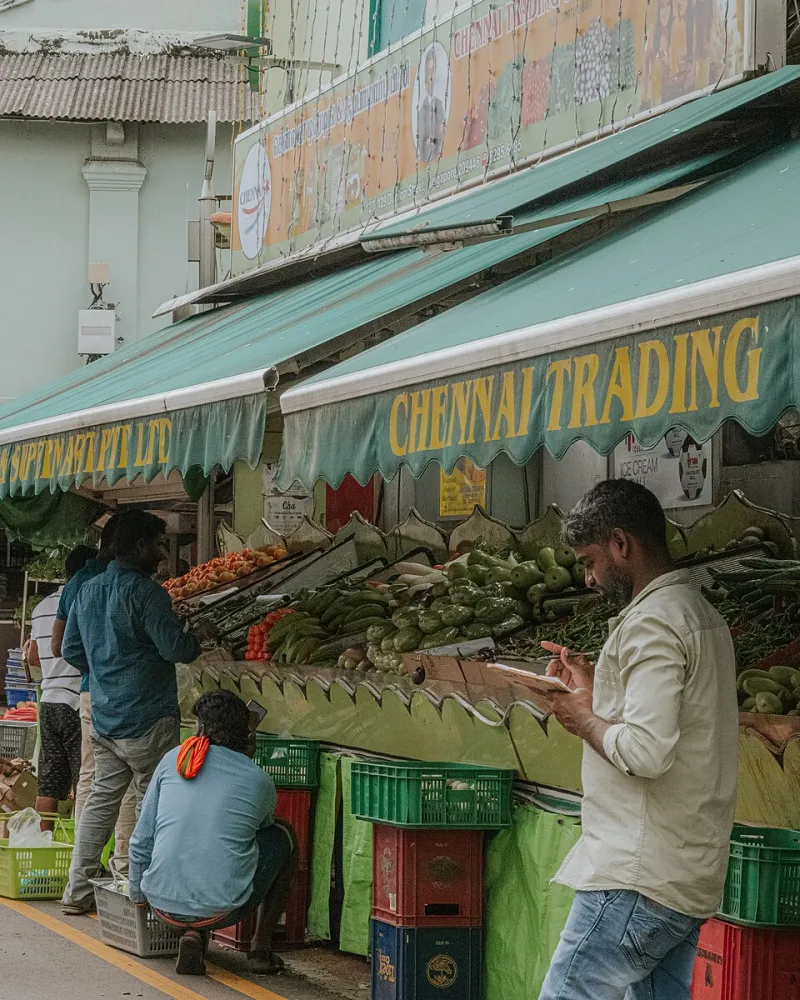
Photo: Shixart1985, CC BY 2.0, via Wikimedia Commons
There is a particular kind of exhaustion that comes from following India news and local Indian-American life through a social feed. You open the app for a temple event and end up in a comment war about a policy you cannot influence. You scroll past five headlines and retain one. You miss the community calendar because the algorithm decided a viral clip was more important.
In 2026, the better approach is not to quit the news. It is to build a small dashboard that does one job: show you what changed, what is happening nearby, and what deserves a closer look. The goal is not to know everything. The goal is to stop confusing volume with understanding.
Start with three lanes, not one feed
A single feed mixes national politics, celebrity gossip, local events, and family group forwards into one stream. Separate them. Lane one is India headlines: the big stories, the policy shifts, the business news that affects people with family or money in India. Lane two is Indian-American life in the U.S.: local associations, temple schedules, cultural events, immigration updates, and community services. Lane three is the stuff you actually do something with: a concert, a food festival, a vaccination drive, a language class.
When you separate the lanes, you can check each one on purpose. You do not have to read every lane every day. You just need a routine that catches what matters.
Use snippets as a first pass
Search snippets are underrated. A good results page gives you the headline, the source, and a sentence or two of context. That is often enough to decide whether to click. Use a search or portal that surfaces news snippets, then scan the first ten results before opening anything. You will quickly see which stories are being repeated and which ones are actually new.
This is where an India-focused discovery portal earns its place. MySearchIndia-style snippets are useful because they keep the India angle visible without forcing you into a social feed. You can search 'India trade policy' or 'Indian American community Dallas' and get a structured set of results rather than an endless scroll.
Turn saved searches into a routine
Saved searches are the backbone of a calm dashboard. Pick a handful of queries and check them once a week. Examples: 'India news this week,' 'Indian American event [your city] this week,' 'Telugu association [your city] calendar,' 'Indian consulate [your city] camp,' and 'Indian grocery [your neighborhood].' Save them in your browser or in a search tool that lets you revisit them.
The point is not to hunt for breaking news. The point is to build a repeatable list of places where useful information tends to appear. A saved search is a shortcut to the same reliable sources, not a slot machine.
RSS still works
RSS never died; it just stopped being fashionable. A reader app can pull headlines from news sites, community organizations, temples, and city calendars without an algorithm in the middle. Keep it small. Ten to fifteen feeds is plenty. Add one or two India news sources, one local Indian-American association, one temple or community center, and one city events calendar.
If a feed goes stale for a month, remove it. A dashboard is not an archive. It is a working set.
Set alerts that do not flood
Alerts are useful when they are narrow. A weekly digest for 'Indian American community [your city]' is better than an as-it-happens alert for 'India.' A saved alert for 'Telugu association [your city]' will catch events you would otherwise miss. A search alert for a specific policy or visa term can be helpful during a busy news cycle, but turn it off when the cycle ends.
The test is simple: if an alert does not change what you do that week, it is noise.
Put local calendars on the dashboard
Local events are the easiest thing to miss and the easiest thing to verify. Add your temple calendar, the Indian student association at a nearby university, the city library's cultural events page, and any regional Indian association you trust. Check them once a week. Then verify the date, time, and address on the organization's own page or by phone before you drive.
Listings go stale. A calendar entry can be correct in January and wrong in March. Verification is not paranoia; it is part of the routine.
Build a twenty-minute Sunday routine
A weekly dashboard does not need to be elaborate. Try this: five minutes scanning snippets in your three lanes. Five minutes skimming your RSS reader. Five minutes checking alerts and local calendars. Five minutes picking one event or one story to follow up on. Write down one useful thing you learned and one local thing you might attend.
That is it. You will miss some breaking news. You will also stop losing an hour to a feed that was never designed to keep you informed.
What to ignore on purpose
Ignore anonymous screenshots, forwarded WhatsApp messages with no source, and outrage posts that do not link to anything. If a local listing looks too good to be true, check the organization's website. If a news snippet seems explosive, find the original report. A calm dashboard is not a lower standard. It is a higher one: fewer inputs, better verification.
The payoff is not that you become uninformed. The payoff is that you become informed on purpose. India headlines, local Indian-American happenings, and the events you actually care about get a place in your week. Everything else can wait.