Is That Aisle Real? How to Vet an Indian Grocery, Temple, or Clinic Listing Before You Drive Across Town
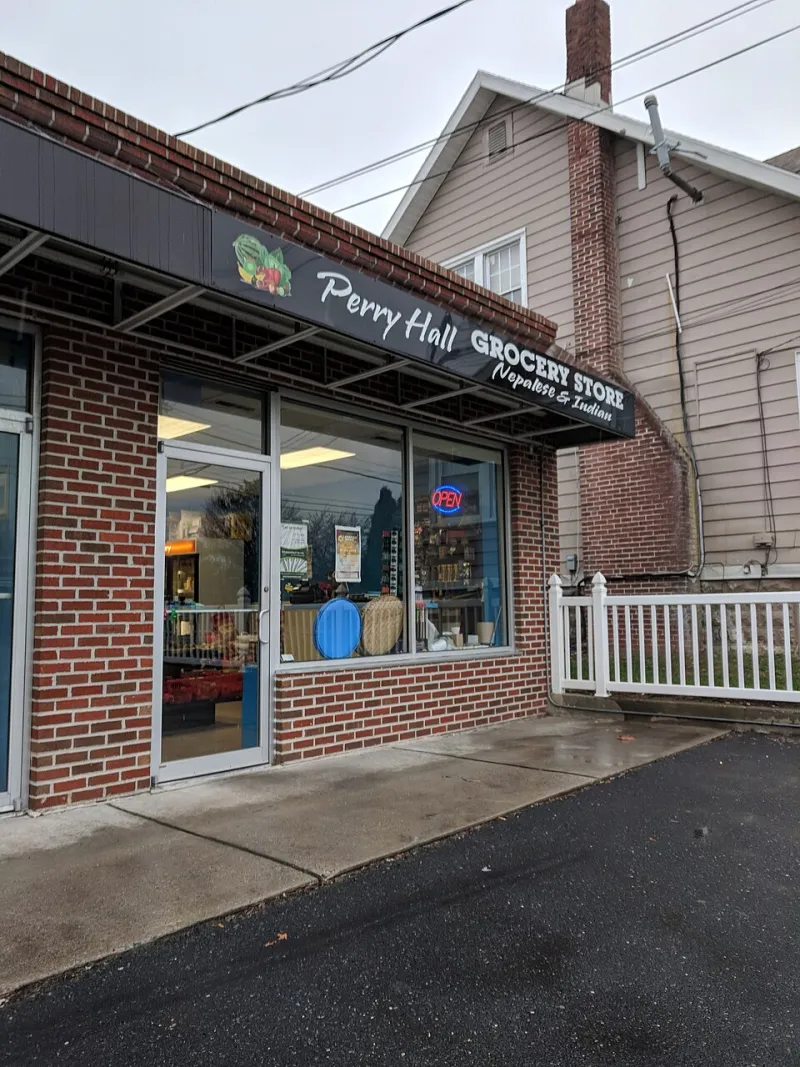
Photo: Bohemian Baltimore, CC BY-SA 4.0, via Wikimedia Commons
You find it at 4:40 on a Saturday: an Indian grocery twenty-eight minutes away, four and a half stars, "open until 9." You load the kids in the car. You arrive to a shuttered storefront with a leasing sign in the window.
The listing wasn't malicious. It was just old — and directory data rots faster than anyone expects, especially for small businesses with no one minding the profile. Here's the routine that keeps it from happening twice.
Why listings decay in the first place
A directory scrapes a phone book, a chamber of commerce record, or another directory. That record gets copied again. Meanwhile the shop changes hands, moves one plaza over, or drops Saturday hours because staffing is tight. Nobody tells the internet. Multiply that by every directory that copied the original and you get five listings, four of them wrong, all ranking on the first page.
Google Maps is generally the freshest source because owners update it and customers post photos. It is not infallible. Treat every single listing as a claim, not a fact.
The four-source rule
Before I commit to a drive of more than fifteen minutes, I want the same information confirmed in at least two places, and at least one of them should be a source the business controls — its own website, its Instagram, or a phone call. The four spots worth checking:
- Maps for the pin, hours, and recent photos with dates
- The business's own site or social account for what they say about themselves
- Reviews sorted by newest — not by "most relevant"
- A local community group — the regional Indian association, a city subreddit, a temple WhatsApp group
When those four disagree, the disagreement itself is the signal. Dig before you drive.
Hours are the most common lie
A listed "9 AM–9 PM" for a small family grocery is often a stale default. Signs of trouble:
- Hours are identical every single day, including Sunday, for a shop that's clearly not a chain
- The listing says 24 hours
- Recent reviews mention "closed when we got there" or "no longer open"
- Google shows a "temporarily closed" banner that a scraped directory ignores
Call. A thirty-second call beats a fifty-minute round trip. If nobody answers during posted hours, that's a data point too.
Give the address a Street View minute
Drop the pin into satellite or Street View and look for the storefront. Suite numbers matter in strip malls — a grocery and a wholesale distributor can share a building and confuse the pin. If the mapped location lands in a residential cul-de-sac or on a field, the listing is wrong or the business closed. Also check whether the pin sits on the correct side of a divided highway; that detail has cost me twenty minutes before.
Read the three-star reviews
Five-star reviews tell you people were happy. One-star reviews tell you someone was furious. Three-star reviews tell you what the place actually is: "Great selection of fresh produce, but the parking lot is a nightmare and they were out of paneer." That's operational detail. That's what you need.
Sort by newest and check the dates. A cluster of glowing reviews all posted within the same week, with similar phrasing, is a red flag. So is a wall of reviews that stop three years ago.
Verify the one service you actually need
Generic listings hide specifics, and specifics are usually why you're going.
- Grocery: Does it carry fresh vegetables and a meat counter, or is it a convenience store with three shelves of snacks? Photos from the last six months answer this faster than any description.
- Temple: Check darshan hours separately from special event schedules. Confirm whether the building is under construction, and whether priests are available for specific rituals by appointment. A temple's own site usually lists this; directories never do.
- Clinic: Confirm who you'll actually see, whether walk-ins are accepted, and whether your insurance is taken. "Walk-in welcome" on a directory page and "appointment only" on the front door is a very common mismatch.
Red flags worth taking seriously
- No street address at all, just "call for location"
- A phone number with an area code from another region entirely
- Stock photos instead of the actual storefront
- Services listed in keyword-stuffed language — "best Indian grocery visa consultant temple" in one listing
- A directory page that pushes an app download before showing you the address
- Duplicate listings for the same shop at two addresses, both recently "updated"
Any single one of those is a reason to slow down. Two or more and I move on.
Save what you verify
When a listing checks out, save it properly — drop a pin in your own maps app with a note about hours and what you bought. The next time the directory data drifts, your note won't. In a country this big, with Indian businesses opening, moving, and closing constantly, your own short list of verified spots becomes the most reliable search index you've got.